Sales Enquiry
+919359624761

Looking for civil engineering and soil testing equipment suppliers in India and evaluating alternatives to EIE Instruments? This guide covers what to compare and how JS Civil Lab Solutions serves...
Evaluating civil lab equipment suppliers in India and exploring alternatives to Aimil Ltd? This guide covers what buyers should compare — standards compliance, product range, pricing, and after-sales support —...
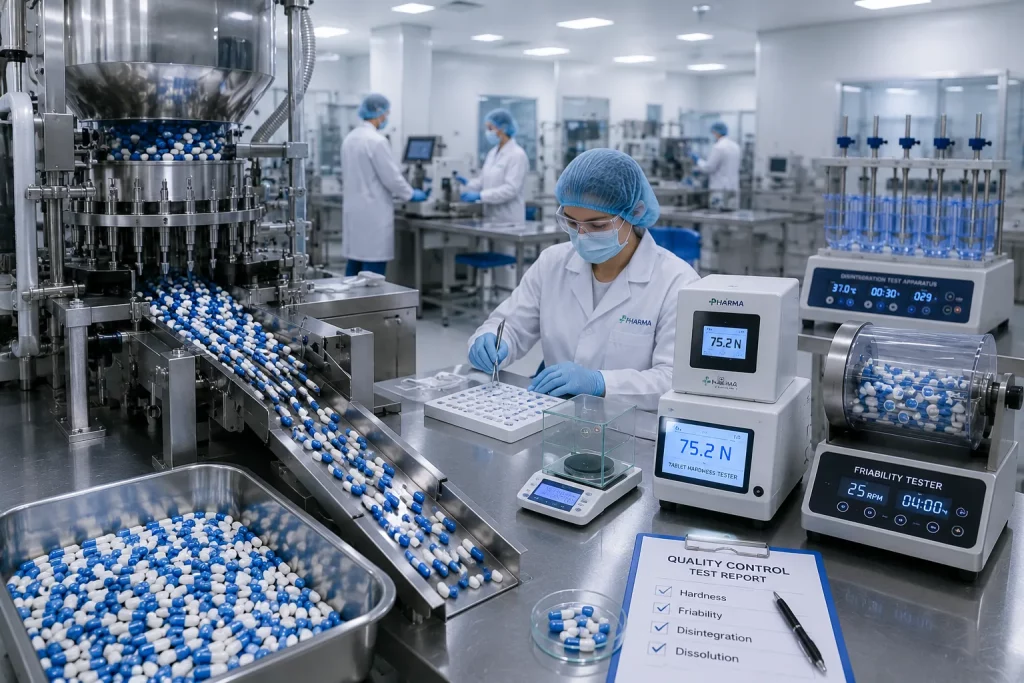
Pharmaceutical tablet quality depends on rigorous physical and performance testing throughout development, manufacturing, and quality control. Tests such as hardness, friability, disintegration, and dissolution help verify that tablets possess the...
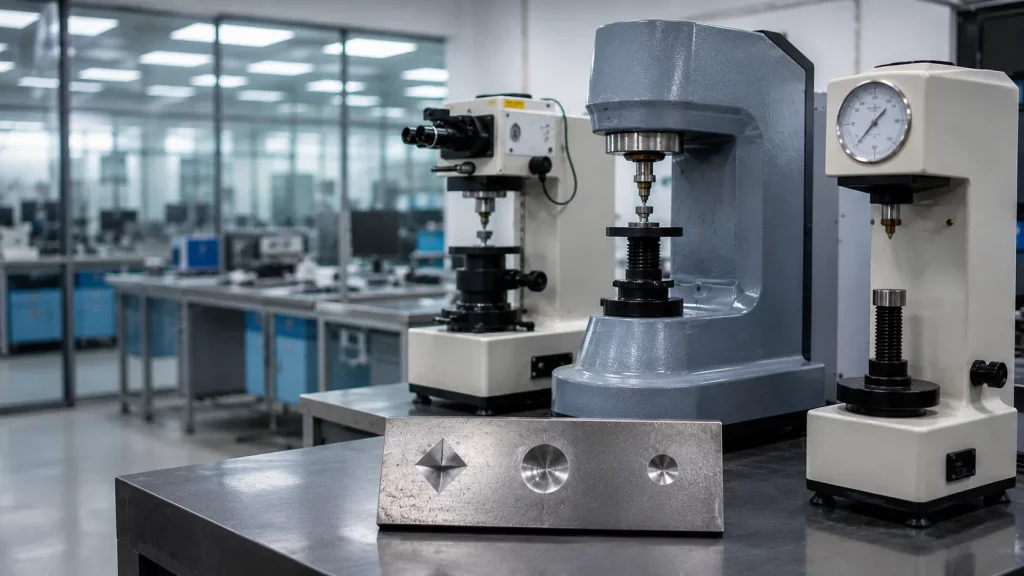
Vickers, Brinell, and Rockwell are the three dominant hardness testing methods used in Indian mechanical testing labs. Each suits different materials, thickness ranges, and accuracy requirements. This guide compares all...
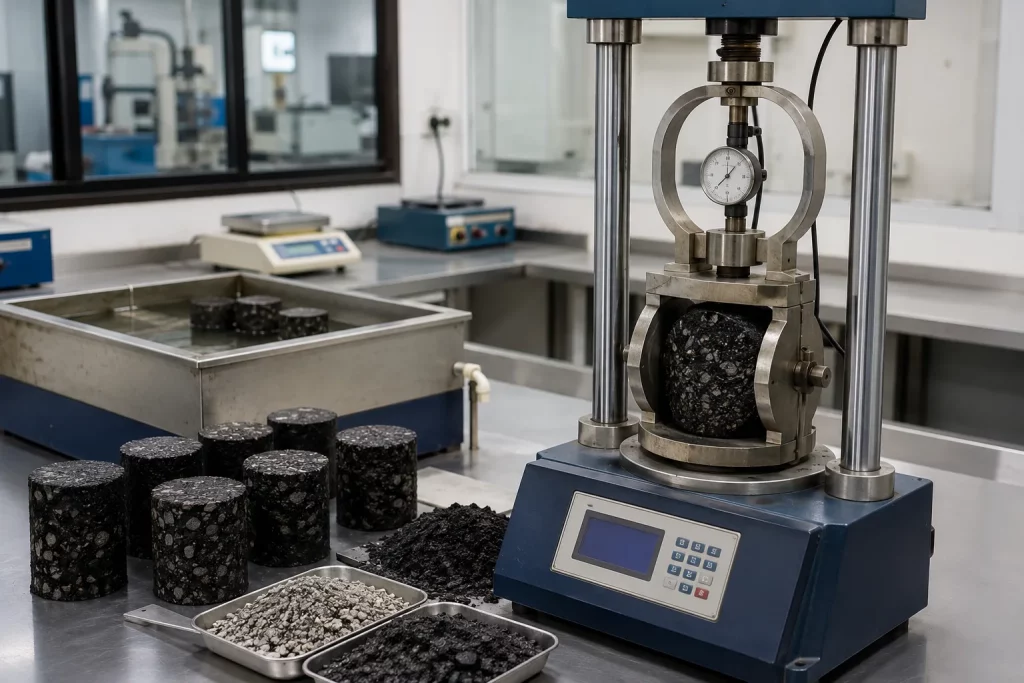
The Marshall Stability Test is the standard method for designing and quality-checking hot mix asphalt (HMA) in India. Standardised under IS 1201 and referenced in MORTH specifications, it determines the...
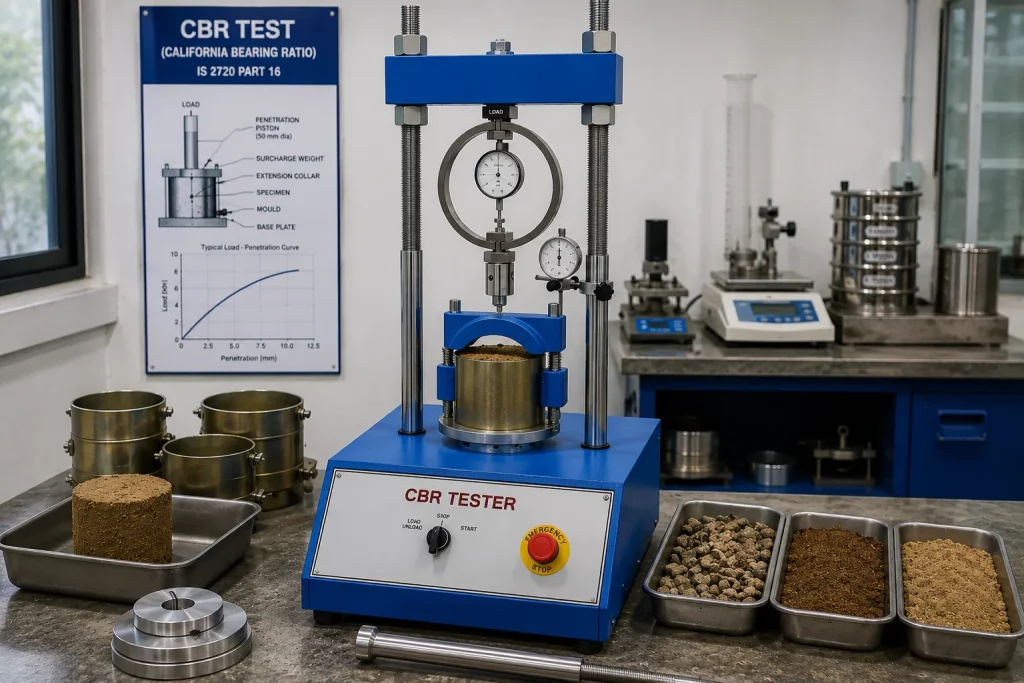
The California Bearing Ratio (CBR) test is the primary method for evaluating subgrade and sub-base strength for road and pavement design in India. Standardised under IS 2720 Part 16, this...
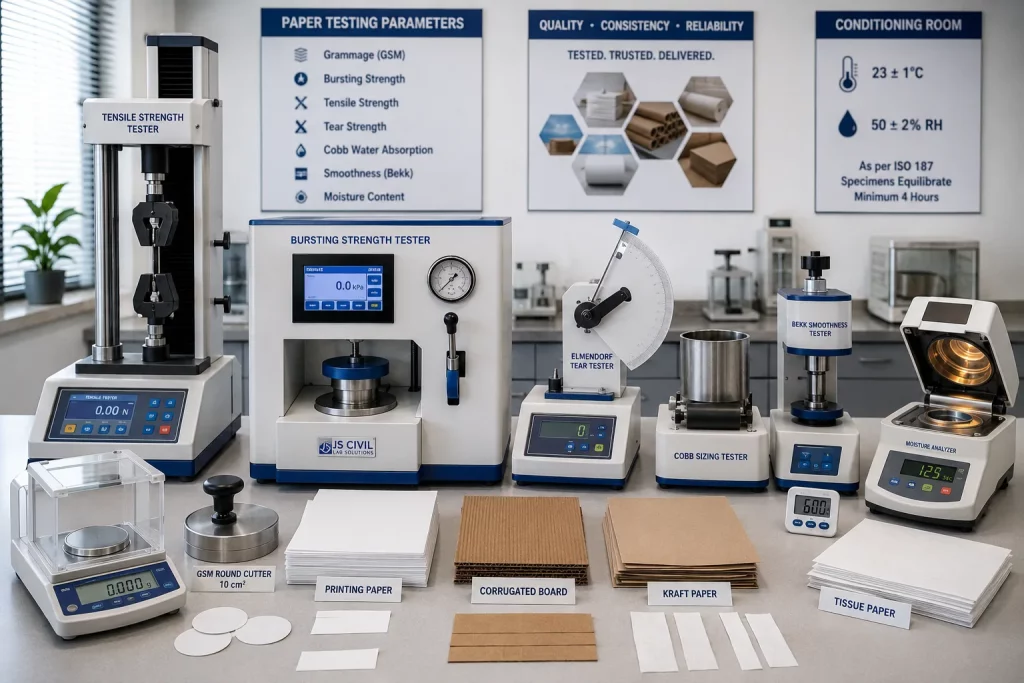
Paper and paperboard quality control requires standardised tests — from GSM and bursting strength to tensile, tear, and Cobb sizing. This guide covers every key test parameter, the equipment needed...
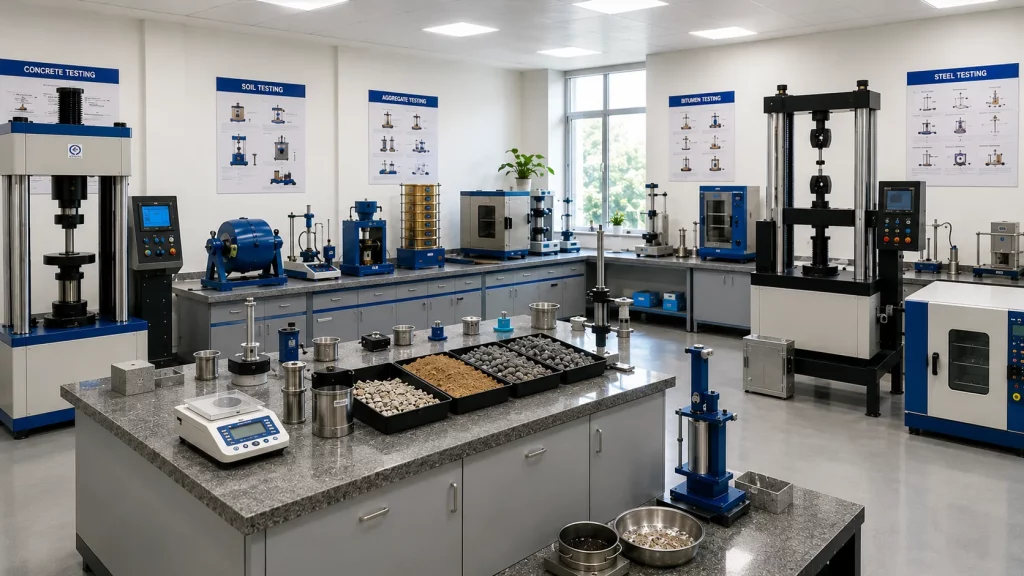
Setting up a civil material testing laboratory requires more than purchasing testing equipment. To achieve reliable results and prepare for NABL accreditation, laboratories must establish the right infrastructure, install calibrated...
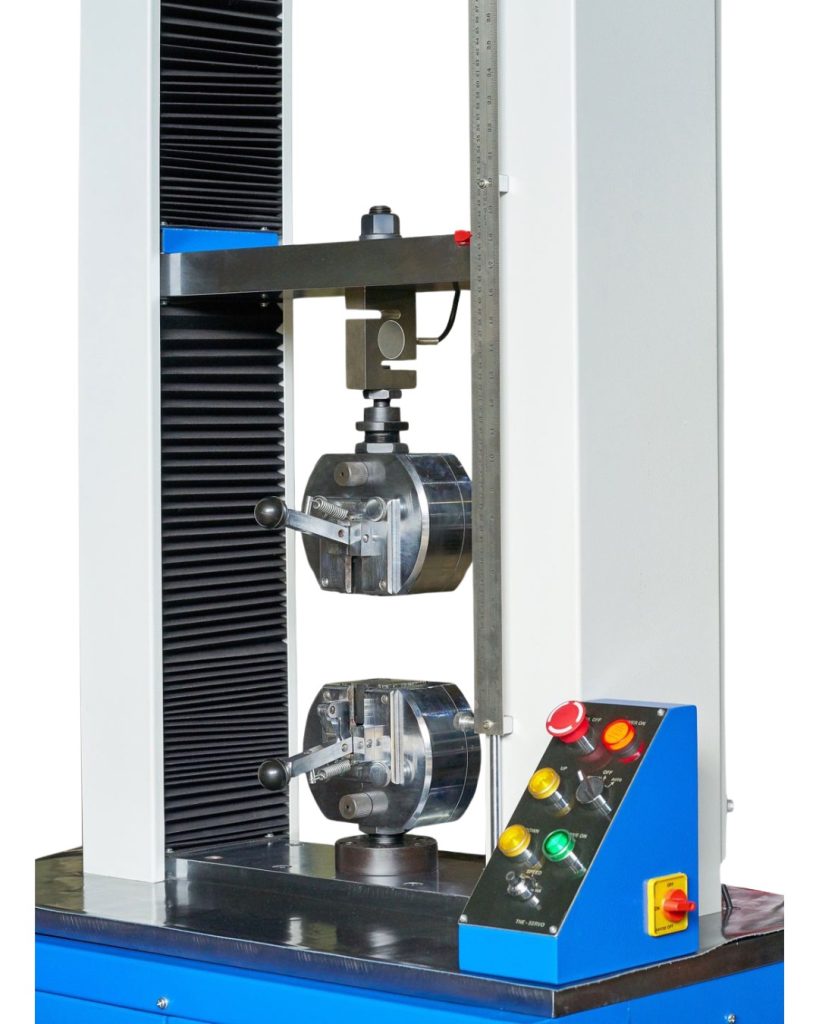
The Universal Testing Machine (UTM) performs tensile, compressive, bend, and shear tests in a single machine. Choosing the right capacity depends on your test standards (IS 1608, IS 1786), maximum...
