Sales Enquiry
+919359624761
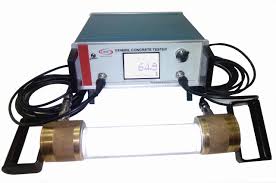
Ultrasonic Pulse Velocity Tester for non-destructive evaluation of concrete quality, uniformity, and cracks. IS 13311 / ASTM C597 compliant. Measures pulse velocity from 500 m/s to 6,500 m/s. Supplied with transducers, calibration bar and NABL-traceable calibration certificate by JS Civil Lab Solutions.
Range: 10μs to 9999.9μs, Resolution: 0.1μs
Make: ACS-Solutions GMBH
Compliance: IS 516 : Part 5, BS-4408, BS-1881, ASTM C-597, IS 13311 Part-1
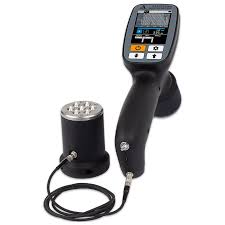
Principle: The test is based on the principle that the velocity of an ultrasonic pulse in a solid material is dependent on its elastic properties and density.
Application: The main uses of the UPV test on concrete include:
IS, ASTM, ISO, BS & EN compliant instruments. NABL-aligned calibration certificates on request.
Our engineers specify the right instrument for your test standard, lab setup and budget.
Annual maintenance contracts, on-site calibration and installation. Lifetime technical support.
Fast, safe dispatch from our Vasai warehouse. Instruments packed to transit standards.
Vasai-based ISO 9001:2015 certified manufacturer and supplier of precision testing equipment for civil engineering, NDT, pharmaceutical and paper industries. Our instruments are trusted by government testing laboratories, NABL-accredited facilities, infrastructure contractors and research institutions across India. Learn about us →
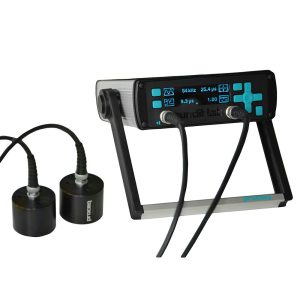
An Ultrasonic Pulse Velocity Tester (UPV Tester) is a non-destructive instrument that measures the velocity...
The Proceq Pundit Lab is the world's most trusted Ultrasonic Pulse Velocity (UPV) tester for...
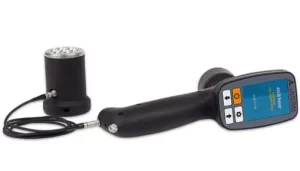
Pulsar UPV tester for concrete pulse velocity measurement per IS 13311 Part 1, ASTM C597,...