Sales Enquiry
+919359624761
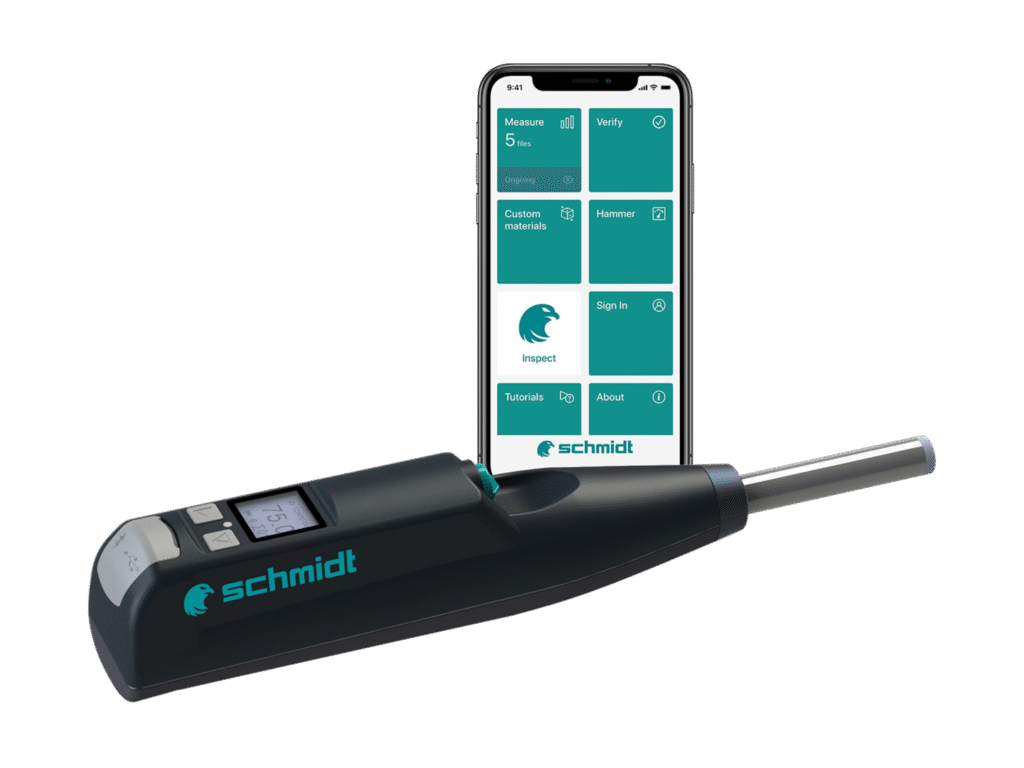
Silver Schmidt Rebound Hammer (OS-8200): digital Q-value measurement with direction independence, 3,000-test storage, Bluetooth reporting. Strength range 10–100 MPa. EN 12504-2 / ASTM C805 / IS 13311. Authorised Proceq supplier in India — JS Civil Lab Solutions. Call +91 93596 24761.
The Silver Schmidt Rebound Hammer (OS-8200) is the most advanced analogue-digital rebound hammer by Proceq, combining the proven Schmidt impact mechanism with digital data capture and wireless reporting. It is the standard instrument for concrete compressive strength estimation in quality assurance on major infrastructure projects.
EN 12504-2, ASTM C805, IS 13311 Part 2, SN 505-262/1.
JS Civil Lab Solutions is an authorised Proceq distributor in India. Call +91 93596 24761 for pricing, calibration, and training.
IS, ASTM, ISO, BS & EN compliant instruments. NABL-aligned calibration certificates on request.
Our engineers specify the right instrument for your test standard, lab setup and budget.
Annual maintenance contracts, on-site calibration and installation. Lifetime technical support.
Fast, safe dispatch from our Vasai warehouse. Instruments packed to transit standards.
Vasai-based ISO 9001:2015 certified manufacturer and supplier of precision testing equipment for civil engineering, NDT, pharmaceutical and paper industries. Our instruments are trusted by government testing laboratories, NABL-accredited facilities, infrastructure contractors and research institutions across India. Learn about us →
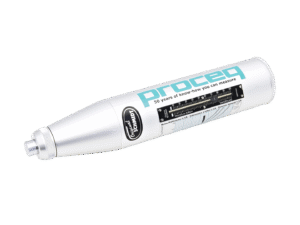
Schmidt Rebound Hammer for non-destructive in-situ concrete strength estimation. Type N (2.207 Nm) and Type...
Original Schmidt OS8000 by Proceq — the digital evolution of the classic Schmidt hammer. Measures...
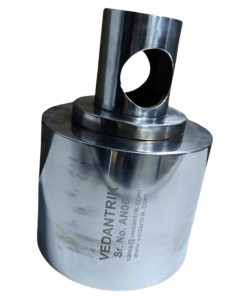
Rebound hammer anvil for Schmidt hammer calibration per IS 13311 Part 2, BS 1881 Part...